Home

Free guide

DietingPlaybook

Every popular diet, in plain English. What it is, who it's for, what to eat, the upside when it's done right, and where most beginners blow it.

01 · 30% Protein · 40% Carbs · 30% Fat

Balanced

The classic 30 / 40 / 30 split. Sustainable, flexible, hard to mess up.
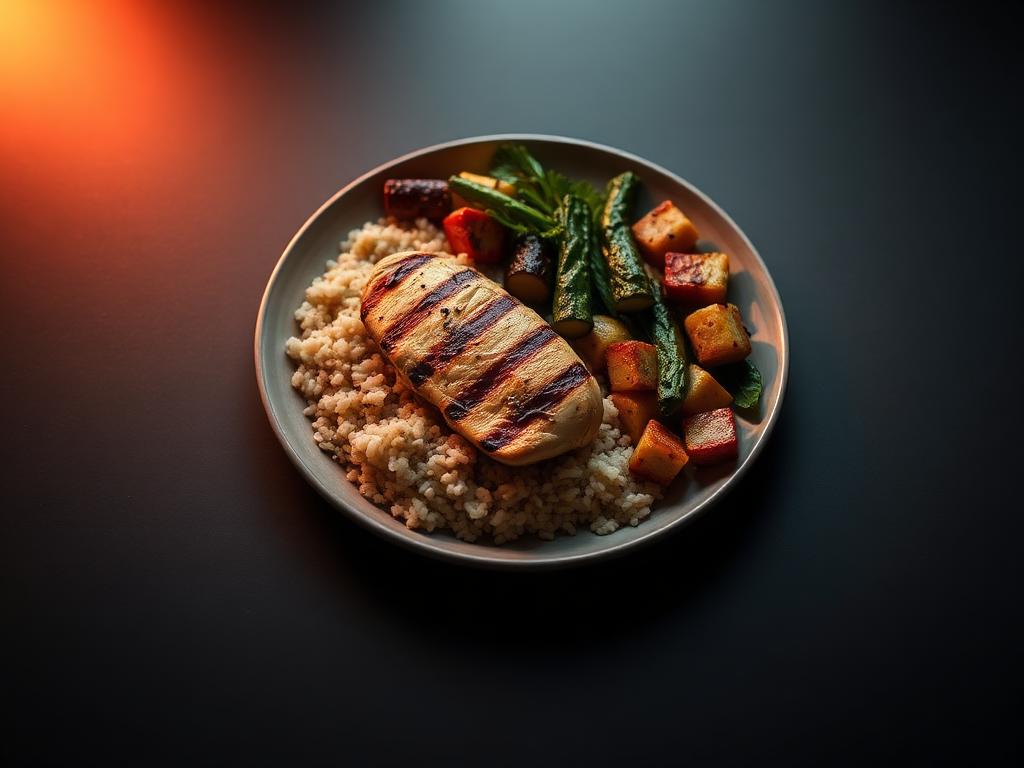
Balanced diet meal

Best for

Beginners, general health, anyone who wants results without cutting food groups.

How it works

Hit your daily calorie target with roughly equal portions of lean protein, smart carbs, and healthy fats at each meal. No food is off limits. Portions and quality do the work.

Eat

  • Chicken, turkey, lean beef, fish, eggs
  • Rice, oats, potatoes, fruit, whole grains
  • Olive oil, avocado, nuts, seeds
  • Greek yogurt, cottage cheese

Skip

  • Hyper processed snack foods
  • Sugary drinks and excess alcohol
  • Mindless grazing. Eat on a schedule

Pros, done right

  • Easy to stick with long term
  • Supports muscle, energy, and recovery
  • No social/eating-out drama
  • Works for fat loss AND lean gains

Watch outs

  • Easy to over eat carbs if portions aren't tracked
  • 'Balanced' isn't an excuse to eat junk in moderation forever

Beginner tip

Build every plate: 1 palm of protein, 1 cupped hand of carbs, 1 thumb of fats, 2 fists of veggies. Done.
02 · 40% Protein · 35% Carbs · 25% Fat

High Protein

Muscle first. Built for lifters who want to stay lean while gaining strength.

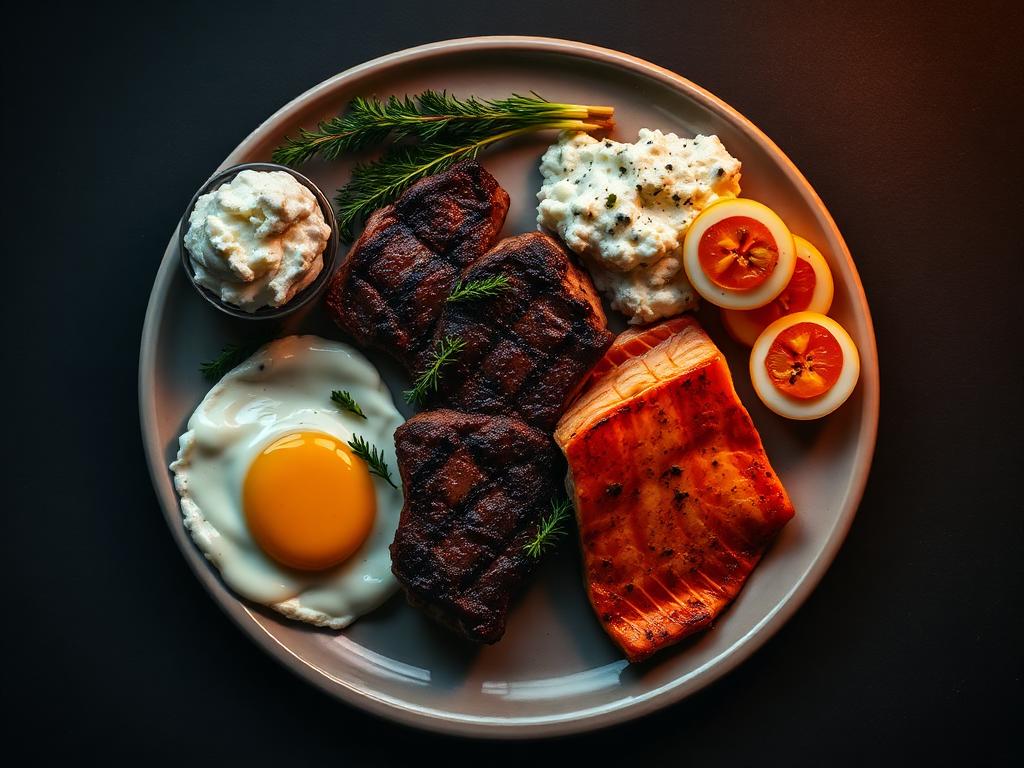
High Protein diet meal

Best for

Lifters in a cut, anyone losing fat without losing muscle, recomp goals.

How it works

Anchor every meal with 30. 50g of protein. Carbs go around training, fats fill the gaps. Protein keeps you full and protects muscle in a deficit.

Eat

  • Chicken breast, lean steak, white fish, salmon
  • Egg whites + whole eggs
  • Greek yogurt, cottage cheese, whey protein
  • Lentils, beans, tofu (plant options)

Skip

  • Skipping carbs entirely. You still need them for training
  • Relying only on shakes. Chew your food

Pros, done right

  • Maximizes muscle retention in a cut
  • Keeps you full longer (less snacking)
  • Higher thermic effect. You burn more digesting it
  • Faster visible body composition changes

Watch outs

  • Can get repetitive. Rotate proteins
  • Drink more water; protein digestion needs it

Beginner tip

Aim for 0.8. 1g of protein per pound of bodyweight. Hit it daily and the rest gets easier.

03 · 35% Protein · 20% Carbs · 45% Fat

Low Carb

Cut the bread, keep the steak. Steady energy, fewer cravings.

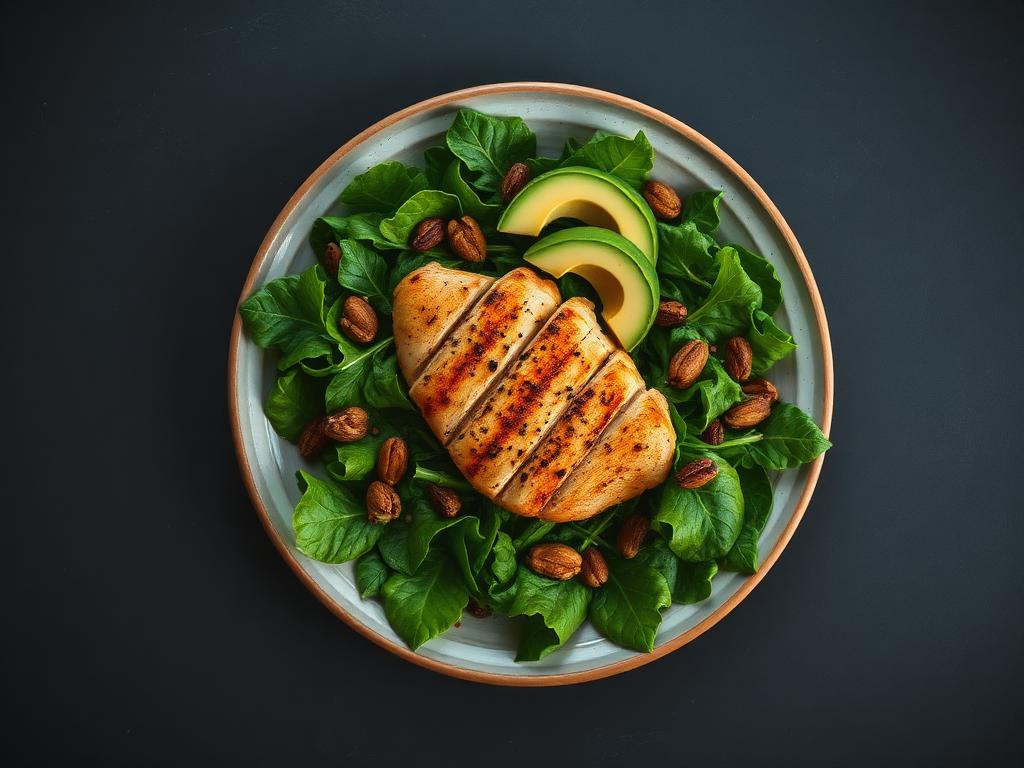
Low Carb diet meal

Best for

People with strong sugar cravings, desk workers, anyone who feels sluggish on high-carb diets.

How it works

Carbs stay under ~100g/day. Most calories come from protein and healthy fats. Carbs are timed around training when used.

Eat

  • All meats, fish, eggs
  • Leafy greens, broccoli, cauliflower, peppers
  • Avocado, olive oil, nuts, seeds
  • Berries in moderation

Skip

  • Bread, pasta, rice, sugar
  • Most fruit juices and sodas
  • Sweetened sauces (BBQ, ketchup, dressings)

Pros, done right

  • Stable blood sugar. No 3pm crash
  • Crushes appetite naturally
  • Often quick early fat loss
  • Great for insulin sensitivity

Watch outs

  • Lower training output. Endurance & high-volume lifting can suffer
  • Not ideal for high-intensity athletes long term

Beginner tip

Don't fear fat. If you cut carbs AND fat, you're just hungry. Replace the calories.

04 · 5% Carbs · 25% Protein · 70% Fat

Keto

Fat fueled. Carbs locked under 30g. Body burns ketones instead of sugar.

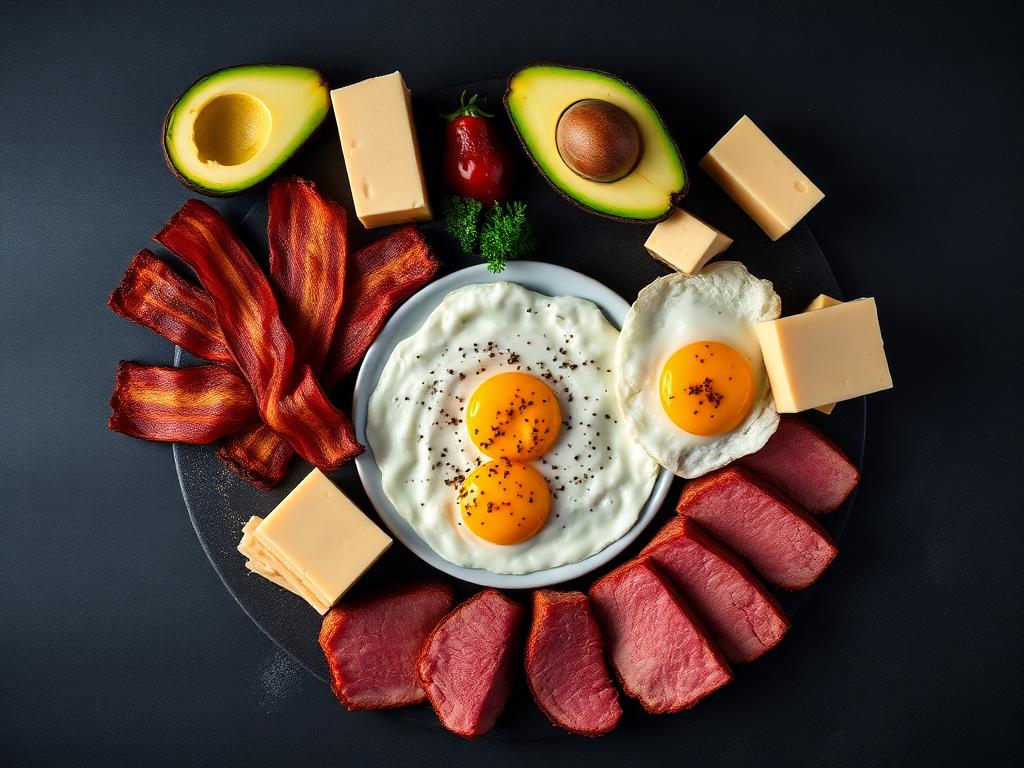
Keto diet meal

Best for

People hyper sensitive to carbs, those who want appetite gone, medical use cases (with a doctor).

How it works

Stay under ~25g net carbs/day for 2. 4 weeks until your body enters ketosis. Eat fatty meats, eggs, oils, low-carb veg. Hydrate aggressively and salt your food.

Eat

  • Fatty cuts: ribeye, salmon, bacon, eggs
  • Butter, olive oil, coconut oil, avocado
  • Cheese, heavy cream, full fat dairy
  • Leafy greens, zucchini, broccoli

Skip

  • All grains, sugar, most fruit
  • Beans, lentils, potatoes, corn
  • Anything labeled 'low-fat'

Pros, done right

  • Hunger almost disappears once adapted
  • Mental clarity reported by many
  • Strong fat loss tool for the right person
  • Stable energy. No glucose spikes

Watch outs

  • First 1. 2 weeks ('keto flu') can feel rough. Electrolytes are not optional
  • Hard to sustain socially
  • Strength work can dip until adapted

Beginner tip

Salt, magnesium, potassium. Most 'keto failures' are actually dehydration and low electrolytes.

05 · 25% Protein · 45% Carbs · 30% Fat

Mediterranean

The most studied diet on Earth. Whole foods, olive oil, and longevity.

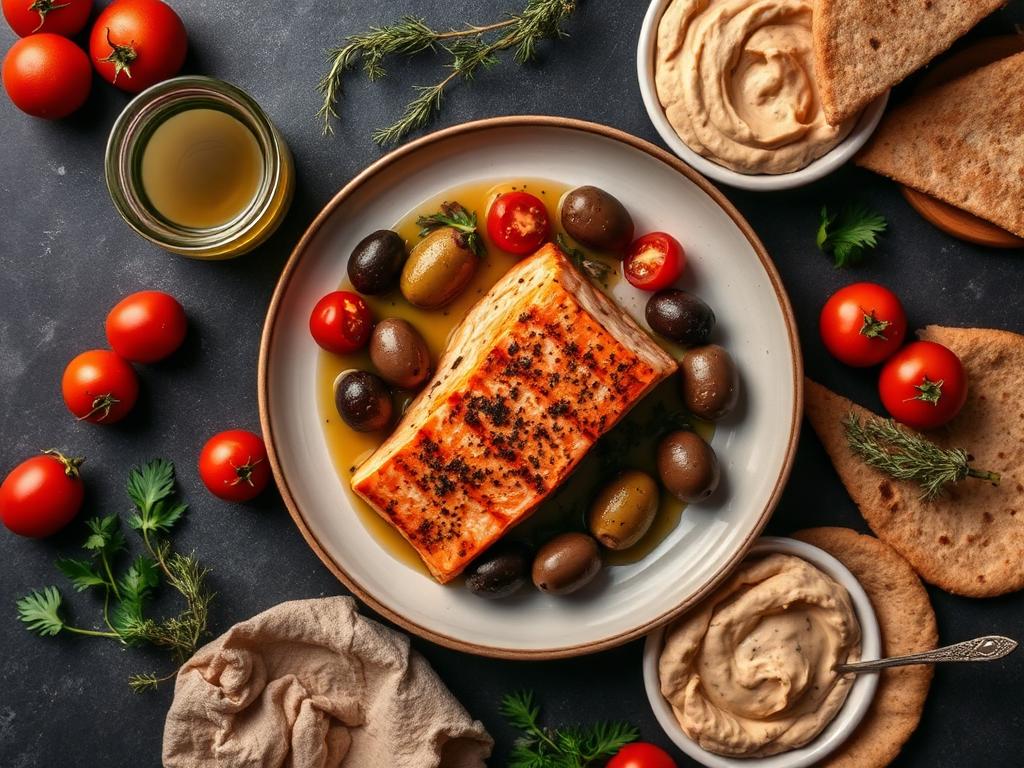
Mediterranean diet meal

Best for

long term health, heart and brain support, anyone who hates restriction.

How it works

Build meals around vegetables, fruit, whole grains, beans, and fish. Olive oil is the main fat. Red meat is occasional, sweets are rare, herbs and spices replace processed sauces.

Eat

  • Fish & seafood (2. 3x/week)
  • Olive oil, olives, nuts, seeds
  • Whole grains, beans, lentils, hummus
  • Vegetables, fruit, fresh herbs

Skip

  • Ultra processed snacks
  • Sugary drinks and pastries
  • Heavy reliance on red/processed meat

Pros, done right

  • Strongest evidence for heart & brain health
  • Calming by design
  • Sustainable forever. It's a lifestyle
  • Easy to eat out and travel on

Watch outs

  • Carbs are moderate high. Track portions if cutting
  • Quality matters: real olive oil, real fish, not deli meats

Beginner tip

If it grew, swam, or was pressed from an olive. Eat it. If a factory made it. Skip it.

06 · 30% Protein · 30% Carbs · 40% Fat

Paleo

Eat like your ancestors. If a caveman couldn't get it, neither can you.

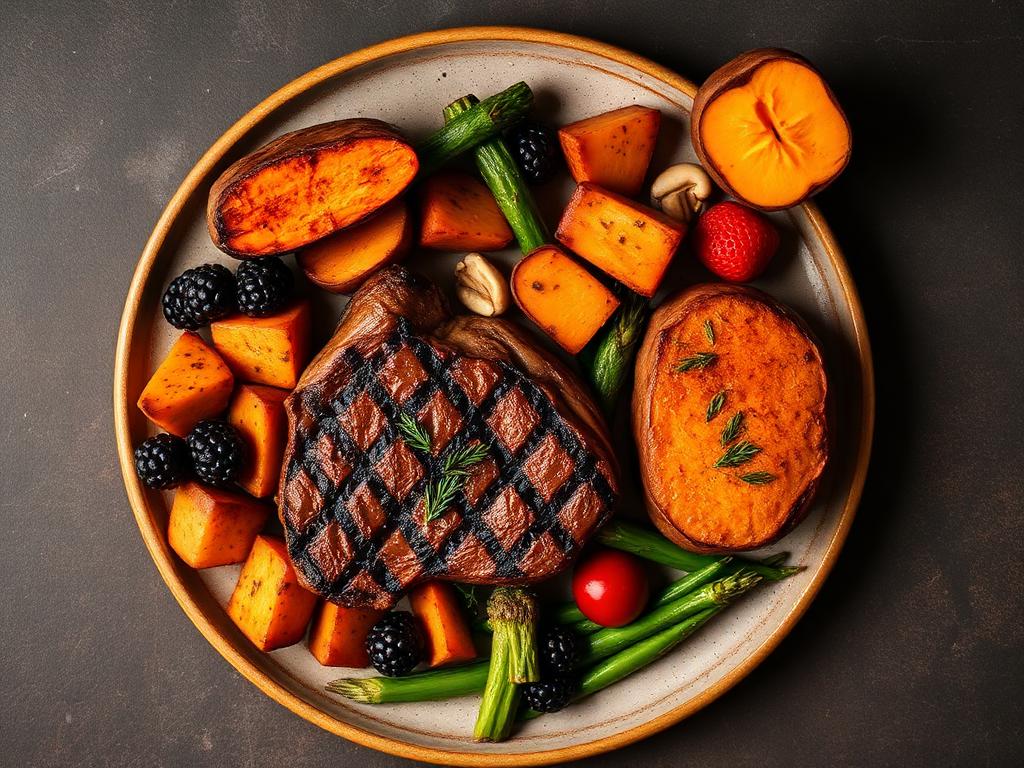
Paleo diet meal

Best for

People with gut issues, those quitting processed food cold turkey, simple rule followers.

How it works

Eat only whole, unprocessed foods: meat, fish, eggs, vegetables, fruit, nuts, seeds. Skip grains, legumes, dairy, refined sugar, and seed oils.

Eat

  • Grass fed meat, wild fish, pasture eggs
  • All vegetables and fruit
  • Sweet potato, squash, plantains (carbs)
  • Nuts, seeds, coconut, avocado

Skip

  • Grains (wheat, oats, rice, corn)
  • Beans, lentils, peanuts
  • Dairy and refined sugar
  • Vegetable & seed oils

Pros, done right

  • Forces a clean, whole food diet by default
  • Often clears up bloating and skin issues
  • Naturally controls calories without tracking
  • Real food = real nutrients

Watch outs

  • Cutting grains and legumes can drop your fiber. Eat more veg
  • Can get expensive (grass fed, wild)
  • Athletes may need to add carbs back in

Beginner tip

Shop only the outer aisles of the grocery store. The middle is where the off plan stuff lives.

07 · 30% Protein · 0% Carbs · 70% Fat

Carnivore

Meat, eggs, and water. Zero plants. The ultimate elimination diet.

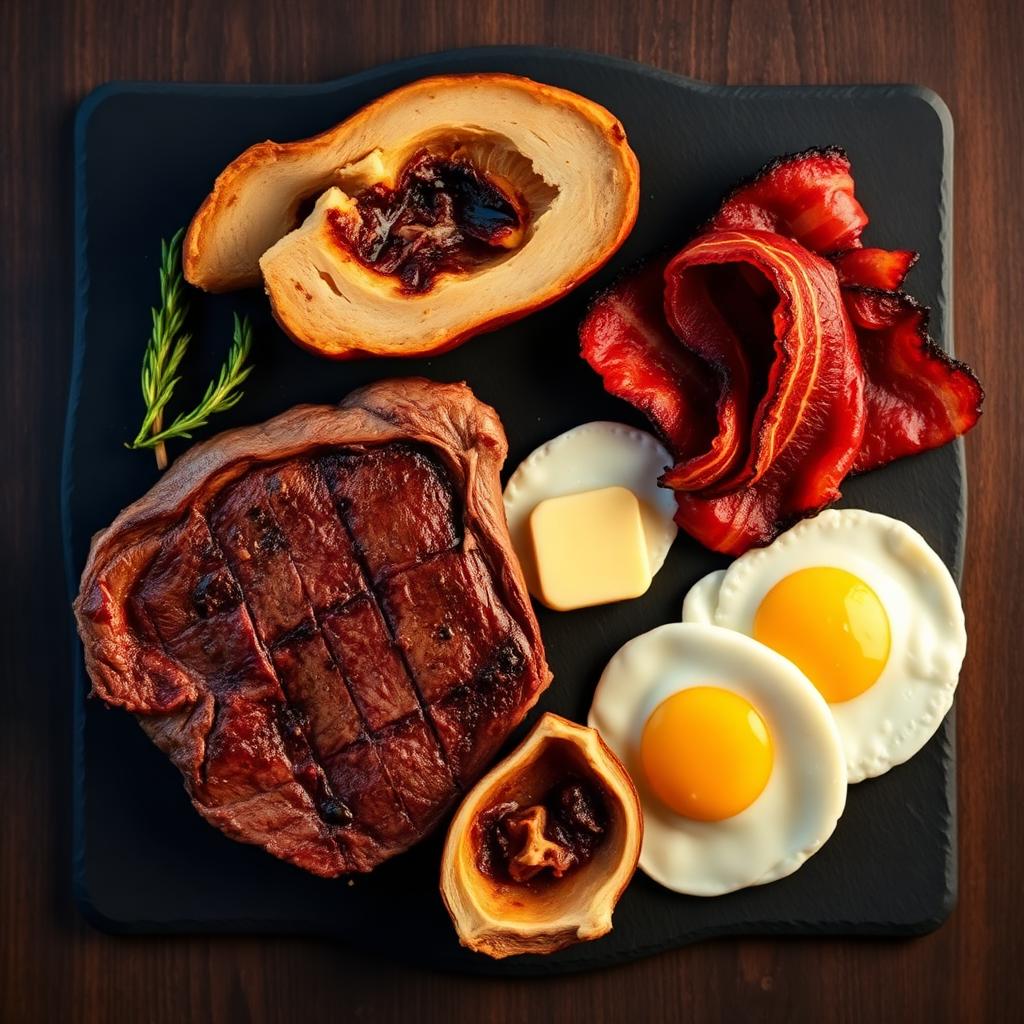
Carnivore diet meal

Best for

People with stubborn food sensitivities, autoimmune issues, or those who want maximum simplicity and zero cravings.

How it works

Eat only animal products: fatty meat, eggs, butter, and water. No vegetables, no fruit, no grains, no sugar. Salt your food, eat to fullness, and let appetite guide quantity.

Eat

  • Fatty ribeye, NY strip, ground beef (80/20)
  • Eggs cooked in butter or tallow
  • Bacon, lamb, pork belly, salmon
  • Bone broth, organ meats (optional)

Skip

  • All plants. Vegetables, fruit, grains, nuts, seeds
  • Vegetable oils and seed oils
  • Sugar, sweeteners, and processed foods
  • Coffee/alcohol (optional. Many cut these too)

Pros, done right

  • Wipes out cravings and decision fatigue
  • Often clears stubborn gut, skin, and joint issues
  • Hyper-simple. No tracking, no recipes
  • Stable energy with zero blood sugar swings

Watch outs

  • Extreme socially. Eating out is hard
  • Not enough long term research yet
  • Some people miss fiber/regularity early on
  • Talk to a doctor if you have heart or kidney issues

Beginner tip

Start with ribeye, eggs, and salt for 30 days. If you're hungry, eat more fat. Not more meat.